That’s what happens when you hire a bunch of recently graduated graphic designers and give them 6 months to come up with a new interface. While also not consulting any power users or even developers who had previously worked on the interface. Rumor has it that these people didn’t even know the taskbar could move when they were first programming it so it would shock me if they knew about the scroll bar jumping.
It’s not exactly that they’re recently-graduated so much as it is that it’s really hard to find people qualified in graphic design or UX within the last decade who don’t daily-drive MacOS, so they’re not already fluent with Windows’ design language, and have to pick it up as they go, and fill in with what they know works on phones and Macs when they don’t know the right thing to do. On the other hand, if you only hire people who graduated decades ago, and really know how Windows users use Windows, you run the risk of assigning too much weight to how Windows users used Windows twenty years ago, and missing out on innovations that became popular in the meantime.
As with many things the answer lies in finding a happy middle ground between the two. I’m not sure the Microsoft of today is capable of doing that though.
Funny you mention 20 years specifically as that’s when they introduced the ribbon interface, the last interface famously designed by “average users” rather than UI/UX experts. And one that was generally either loved or hated with little ambivalence.


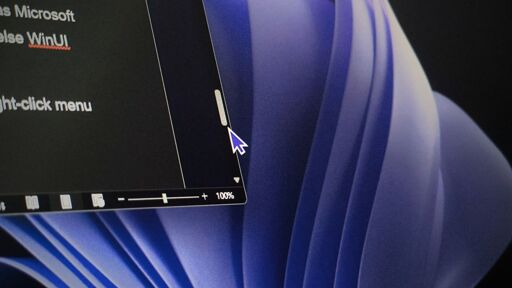
That’s what happens when you hire a bunch of recently graduated graphic designers and give them 6 months to come up with a new interface. While also not consulting any power users or even developers who had previously worked on the interface. Rumor has it that these people didn’t even know the taskbar could move when they were first programming it so it would shock me if they knew about the scroll bar jumping.
It’s not exactly that they’re recently-graduated so much as it is that it’s really hard to find people qualified in graphic design or UX within the last decade who don’t daily-drive MacOS, so they’re not already fluent with Windows’ design language, and have to pick it up as they go, and fill in with what they know works on phones and Macs when they don’t know the right thing to do. On the other hand, if you only hire people who graduated decades ago, and really know how Windows users use Windows, you run the risk of assigning too much weight to how Windows users used Windows twenty years ago, and missing out on innovations that became popular in the meantime.
As with many things the answer lies in finding a happy middle ground between the two. I’m not sure the Microsoft of today is capable of doing that though.
Funny you mention 20 years specifically as that’s when they introduced the ribbon interface, the last interface famously designed by “average users” rather than UI/UX experts. And one that was generally either loved or hated with little ambivalence.