I don’t think this is a limitation of the photographic process though. A higher exposure would reveal more detail in the woman’s face. The child is correctly exposed, but the picture could still be pushed and retain detail in the child’s face - so I’d guess that this is a choice by the photographer. If the woman is a slave or servant, the picture could well be of the child and so the photographer would have no reason to prioritise exposing for the woman’s face.
One smaller point - the woman’s clothes are over-exposed - at least from the look of this digital reproduction. I don’t really think it’s likely that was a factor, but it tells you about the dynamic range available.
Just to be explicit, taking photographs of your children being held by a black nanny and not caring whether the nanny is properly visible in the photo reveals some kind of prejudice in the person deciding on the photo, and it could well be evidence of a racist system in which black people are slaves, servants or other “lesser” positions in society, I am just not convinced that we are seeing any racist impact on the science of photography.
It’s racism in the sense I mentioned. It was tested and built around white people. It didn’t work as well on black people (requires more work, gear, and technique to get similar results). No one was in any real hurry to fix that.
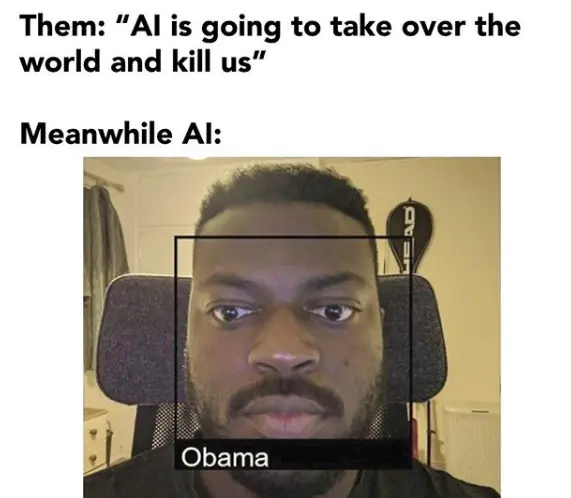
I might have been hyperbolic with features void. But yeah it was a problem. That should have taught us that this problem would come in ai.


I don’t think this is a limitation of the photographic process though. A higher exposure would reveal more detail in the woman’s face. The child is correctly exposed, but the picture could still be pushed and retain detail in the child’s face - so I’d guess that this is a choice by the photographer. If the woman is a slave or servant, the picture could well be of the child and so the photographer would have no reason to prioritise exposing for the woman’s face.
One smaller point - the woman’s clothes are over-exposed - at least from the look of this digital reproduction. I don’t really think it’s likely that was a factor, but it tells you about the dynamic range available.
Just to be explicit, taking photographs of your children being held by a black nanny and not caring whether the nanny is properly visible in the photo reveals some kind of prejudice in the person deciding on the photo, and it could well be evidence of a racist system in which black people are slaves, servants or other “lesser” positions in society, I am just not convinced that we are seeing any racist impact on the science of photography.
It’s racism in the sense I mentioned. It was tested and built around white people. It didn’t work as well on black people (requires more work, gear, and technique to get similar results). No one was in any real hurry to fix that.
I might have been hyperbolic with features void. But yeah it was a problem. That should have taught us that this problem would come in ai.